Effective workplace fitness and nutrition programs don't require a large budget — walking meetings, step challenges, healthy snack swaps, and short nutrition workshops cost little to nothing and meaningfully improve engagement, while gym stipends, on-site fitness access, and coaching require larger budgets suited to bigger companies. The right tier depends on company size: small businesses (under 100 employees) typically start with near-zero-cost initiatives, while enterprise organizations invest in comprehensive, coach- and facility-backed programs.
Quick Summary
- Fitness and nutrition don't require an on-site gym to work — walking meetings, step challenges, and healthy snack swaps are genuinely effective and cost close to nothing.
- Employees who hit roughly 75 minutes of weekly exercise take measurably fewer sick days per year, according to CDC-linked research — physical activity programs have a real, quantifiable payoff.
- Small businesses succeed with focused, low-cost programs — not a scaled-down version of an enterprise program, but a genuinely different, right-sized approach.
- Nutrition programs work best as education and access (healthy snack options, workshops) rather than restrictive or prescriptive individual guidance.
- The most sustainable programs combine fitness, nutrition, and mental health rather than treating them as separate initiatives — they reinforce each other.
Introduction
There's a persistent assumption that a "real" wellness program requires an on-site gym, a nutritionist on staff, and a budget most small businesses simply don't have. It doesn't. The evidence consistently shows that low-cost, well-designed physical wellness initiatives — walking meetings, step challenges, healthy snack access — genuinely move the needle, while poorly designed expensive ones often sit unused. This guide breaks down what actually works, and how to size your investment realistically to your company's stage.
You Don't Need a Big Budget to Start
The research on physical activity and workplace outcomes is genuinely strong: employees who reach roughly 75 minutes of exercise per week take about four fewer sick days per year, according to CDC-linked analysis. None of that requires expensive infrastructure — it requires making movement easy and normal during the workday.
The lowest-cost, highest-adoption ideas share a pattern: they fit into work that's already happening rather than requiring a separate time commitment.
- Walking meetings — replace a sit-down meeting with a walk; costs nothing, and the research consistently links movement to both physical health and improved creative thinking
- Step challenges — free apps or even a shared spreadsheet can run a friendly team competition
- Stretch breaks and posture reminders — especially valuable for desk-based teams, and essentially free to implement
- Peer-led sessions — an employee who's a certified yoga instructor or runner leading an informal session costs nothing but their time and goodwill
What Actually Works: Fitness Benefits Ranked by Impact
Roughly in order of cost-to-impact efficiency:
- 1. Walking meetings and movement breaks — zero cost, genuinely effective, easiest to sustain
- 2. Step/activity challenges with modest incentives — low cost, builds social engagement and habit formation
- 3. Gym membership discounts/reimbursements — moderate cost, gives employees choice, but requires active communication to avoid the "benefit nobody uses" problem
- 4. Subsidized or on-site fitness classes — higher cost, works well when scheduled during accessible hours (not exclusively after work)
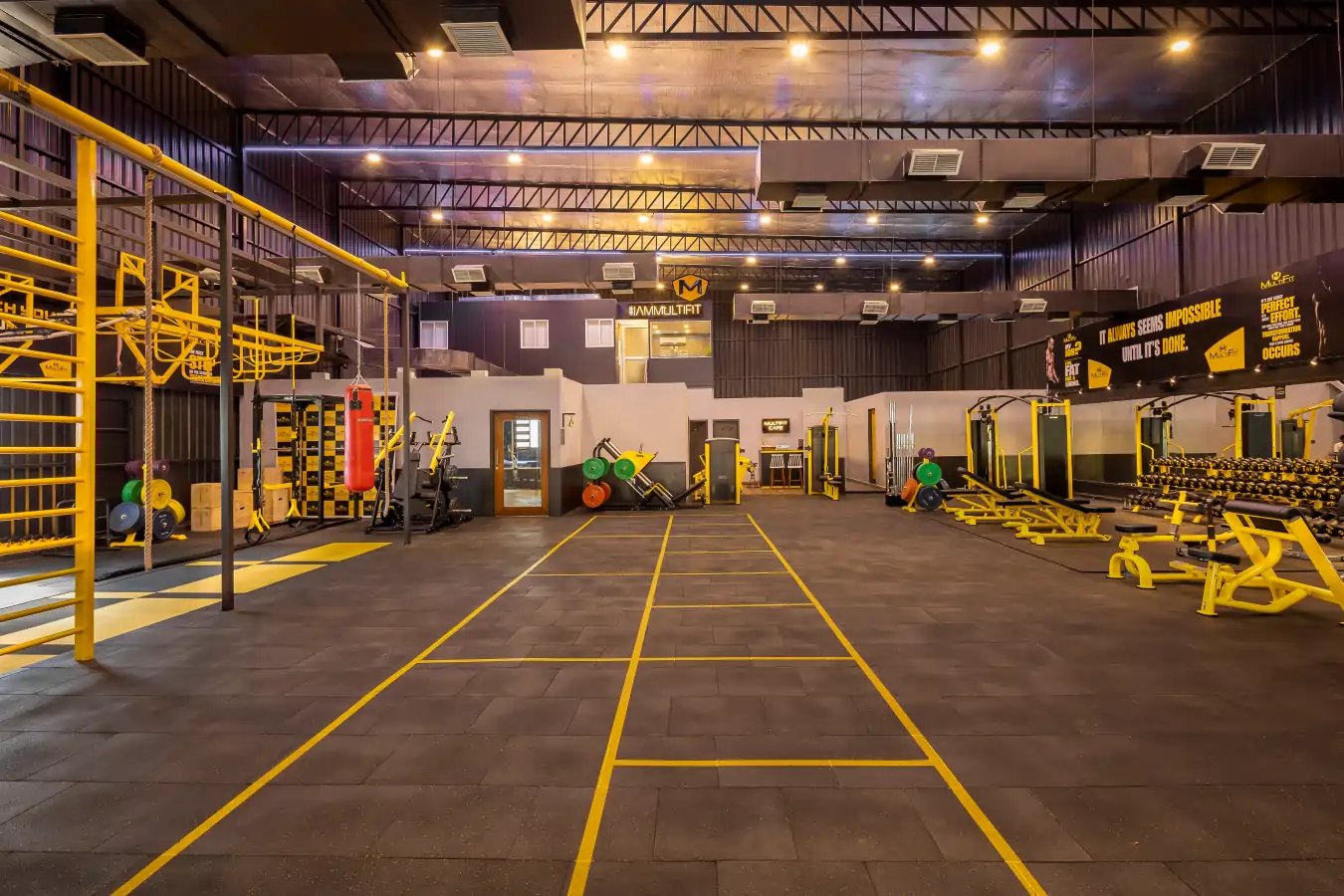
- 5. On-site fitness centers or comprehensive platform access — highest cost, best suited to larger organizations where the per-employee cost amortizes favorably
The mistake most companies make isn't picking the "wrong" tier — it's jumping straight to tier 4 or 5 without first getting tiers 1–2 genuinely embedded in daily culture. A step challenge that nobody joins because there's no walking-meeting culture to build on will underperform, regardless of budget behind it.
Nutrition Programs That Help Without Overreaching
Nutrition is one of the easiest wellness dimensions to get wrong by being too prescriptive. The programs that work well share a light-touch, choice-respecting approach:
- Healthy snack swaps — replacing vending-machine defaults with fruit, nuts, or healthier options in shared spaces
- Short, optional nutrition workshops — practical topics (meal prep, reading nutrition labels, hydration) delivered by a credentialed professional or reputable educational material, kept brief and non-medical
- Cafeteria or catering menu improvements for larger organizations with in-house food service
- Healthy potlucks or recipe-sharing — low-cost, socially engaging, and non-prescriptive
What to avoid: individual-level nutrition tracking, weight-focused messaging, or anything that could read as judgment of an employee's food choices. The goal is access and education, not surveillance or correction — light-touch, opt-in programs consistently outperform anything that feels evaluative.
Budgeting by Company Size
Startups and small businesses (under ~100 employees):
Start with zero- and low-cost initiatives — walking meetings, snack swaps, peer-led sessions, flexible scheduling for wellness activities. A basic structured program with modest additions (a health workshop series, a discounted gym partnership) can run in the range covered in Corporate Wellness 101, often well under what larger organizations spend per employee, because the model relies on culture and access rather than infrastructure.
Growing mid-size companies (~100–500 employees):
Layer in a digital platform for engagement tracking, modest incentive budgets, and periodic biometric screening or health camps. This is typically where a lean internal owner (see Building Your Wellness Team) paired with an external platform starts to make financial sense.
Enterprise organizations (500+ employees):
Comprehensive programs — on-site or near-site fitness access, certified coaching, accredited lab diagnostics, doctor consultations — become cost-effective at this scale, and per-employee costs typically fall due to volume pricing with vendors.
The through-line across all three tiers: match ambition to actual bandwidth and budget. A small business attempting an enterprise-style comprehensive program typically ends up with an underfunded, half-built version of something bigger companies do well — worse than simply excelling at the fundamentals.
Combining Fitness, Nutrition & Mental Health
The strongest programs don't treat these as three separate line items — they design them to reinforce each other:
- A walking meeting is simultaneously a fitness intervention and a low-key mental-health break
- A nutrition workshop on managing energy through the day naturally touches on sleep and stress
- A step challenge with a social, team-based structure builds the peer connection that's independently one of the strongest protective factors against burnout
Companies with limited budgets get more value from a handful of integrated activities that touch multiple dimensions at once than from three separate, narrowly scoped programs competing for the same limited attention and time.
Myth vs. Fact
Myth: "A real wellness program needs an on-site gym or comprehensive platform."
Fact: Walking meetings, step challenges, and snack swaps cost little to nothing and are consistently among the most-cited effective interventions in workplace wellness research.
Myth: "Small businesses can't do meaningful wellness programs."
Fact: Small businesses succeed with focused, culturally embedded, low-cost initiatives — the goal is fit, not scale.
Myth: "Nutrition programs should track and correct individual eating habits."
Fact: The most effective, best-received nutrition programs focus on access and light-touch education, not individual tracking or correction, which risks feeling judgmental and suppresses participation.
Key Takeaways
- Fitness programs don't require large budgets — walking meetings, step challenges, and peer-led sessions are genuinely effective and low/no-cost.
- Roughly 75 minutes of weekly exercise is linked to measurably fewer sick days, giving physical activity programs a real, quantifiable payoff.
- Nutrition programs should emphasize access and light-touch education, never individual tracking or correction.
- Budget tier should match company size and stage — small businesses succeed with focused fundamentals, not scaled-down enterprise programs.
- Combining fitness, nutrition, and mental health into integrated activities gets more value from limited budgets than three separate initiatives.
Conclusion
The physical side of wellness rewards focus over scale. A small business that nails walking meetings, healthy snack access, and a genuine step-challenge culture will outperform a bigger, half-used platform every time. Right-size your ambition to your actual headcount and budget, layer in complexity as you grow, and design fitness and nutrition to reinforce each other rather than compete for the same attention.
If you want a baseline to build your fitness and nutrition program around — including which risk factors matter most in your specific workforce — a free Workforce Wellness Assessment gives you real data to start from, regardless of your company's size. Talk to a Wellness Expert →
Sources referenced: CDC physical activity and workplace sick-day research; SHRM, "Designing and Managing Effective Wellness Programs"; Wellhub, "Guide to Small Business Wellness Programs" (2025).